
A viral “becoming Chinese” trend has prompted overseas audiences to engage with Chinese culture in new ways, and Three Kingdoms stories are now at the center of the talk. People are even voting on a classic question: If you were thrown back in time and had to join Cao Cao, Liu Bei or Sun Quan, who would you join?
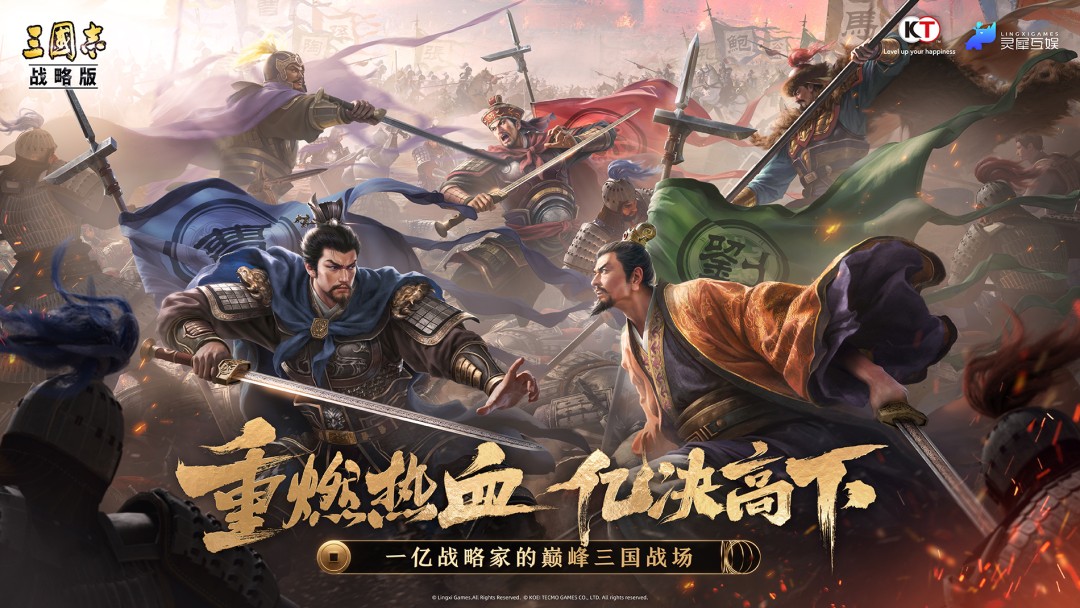
The debate and voting signal a wider Three Kingdoms revival. Far from being a relic of the past, China’s Three Kingdoms culture has ignited a “Digital Renaissance,” as especially younger audiences reinterpret and globalize its legends through video games, TV series, animations and interactive experiences. From Zhuge Liang’s strategic fan-waving to Guan Yu’s unwavering loyalty, and the underdog triumph at the Battle of Red Cliffs, these millennia-old tales are crossing borders and media formats to captivate foreign audiences and gamers alike. Netflix commissions Three Kingdoms-themed series and Chinese innovators are turning this history into a “second life” for global players, transforming it from an Oriental legend into a universal cultural icon.
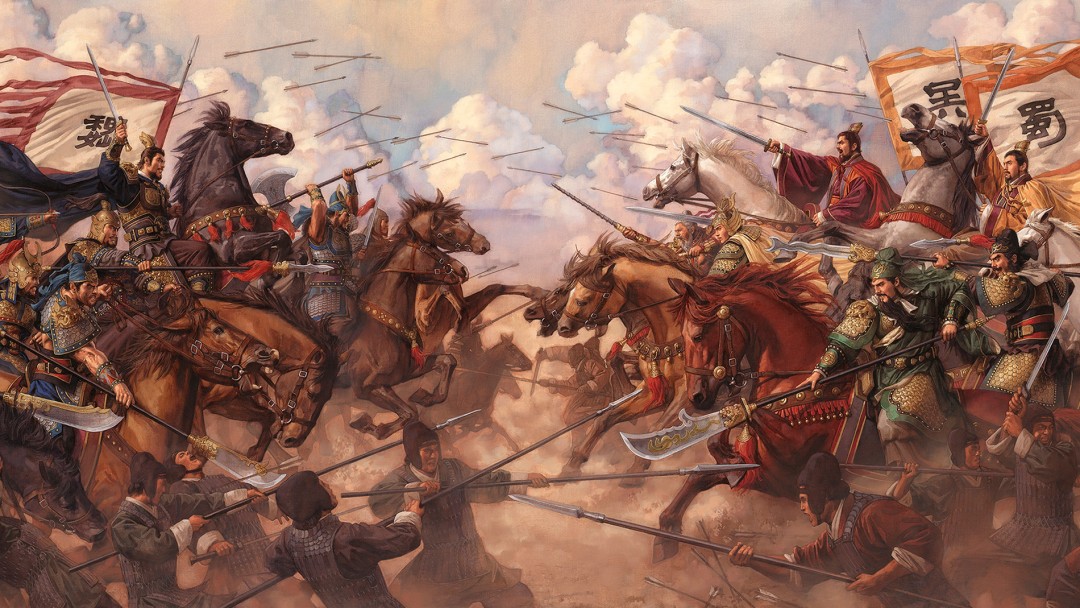
At the forefront of this trend is Lingxi Games, a subsidiary of Alibaba Group Holding and a leading digital gaming company. Rather than focusing solely on short-lived trends, Lingxi has built a clear niche around developing games that promote Chinese culture through in-depth study of Three Kingdoms history. Their flagship title, Three Kingdoms Tactics, is the embodiment of this mission. Officially launched in 2019, Three Kingdoms Tactics immediately topped the iOS Top Free Games chart on its release day. Throughout its first month, it consistently ranked within the Top 5 of iOS’s Top Grossing charts. Even after years of operation, the game continues to hold a long-term position within the Top 20, reinforcing its status as a standout title in the SLG genre. In 2024, the game reached a major milestone, surpassing 100 million players worldwide. Alongside it, titles like Three Kingdoms Fantasy Land and Ashes of the Kingdom form a portfolio dedicated to bringing this era to life.
Modern Audiences See Cultural Resonance in Three Kingdoms
As the Three Kingdoms culture of China gains increasing popularity and attention worldwide, this cultural wave has caught the eye of mainstream international media.
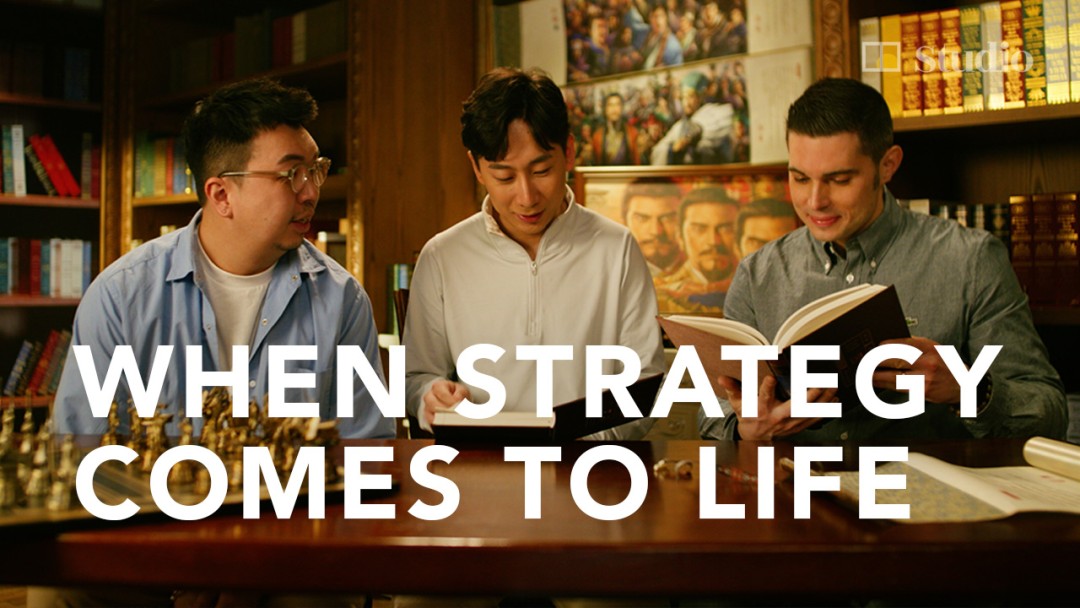
The South China Morning Post (SCMP)—a century-old international media institution renowned for its authoritative coverage of Asian affairs and cross-cultural discourse—spontaneously featured a landmark video spotlighting players of Lingxi Games’ Three Kingdoms-themed titles. Titled “How ancient Chinese wisdom in Lingxi Games’ Three Kingdoms-themed video games inspires modern life,” the report delves into how global audiences are drawing parallels between the strategic philosophies of the Three Kingdoms era and contemporary challenges, from leadership to decision-making. This milestone not only validates Lingxi Games’ role in revitalizing traditional Chinese heritage on the global stage but also signals a broader trend: Chinese game developers are increasingly becoming catalysts for cross-cultural dialogue, transforming historical narratives like the Three Kingdoms into living, interactive frameworks that resonate with modern audiences worldwide.
In the video, SCMP features Hong Kong brand marketing specialist Edmond Woo, Chinese world champion short-track speed skater Han Tianyu, and Beijing-based Italian language teacher and sinologist Cristiano Mazzucco highlighted how Three Kingdoms figures can translate into modern lessons for strategy and personal growth. The video frames the Three Kingdoms period as a turbulent era of rival states and strategic contests, and it argues that the characters’ choices continue to resonate across generations.
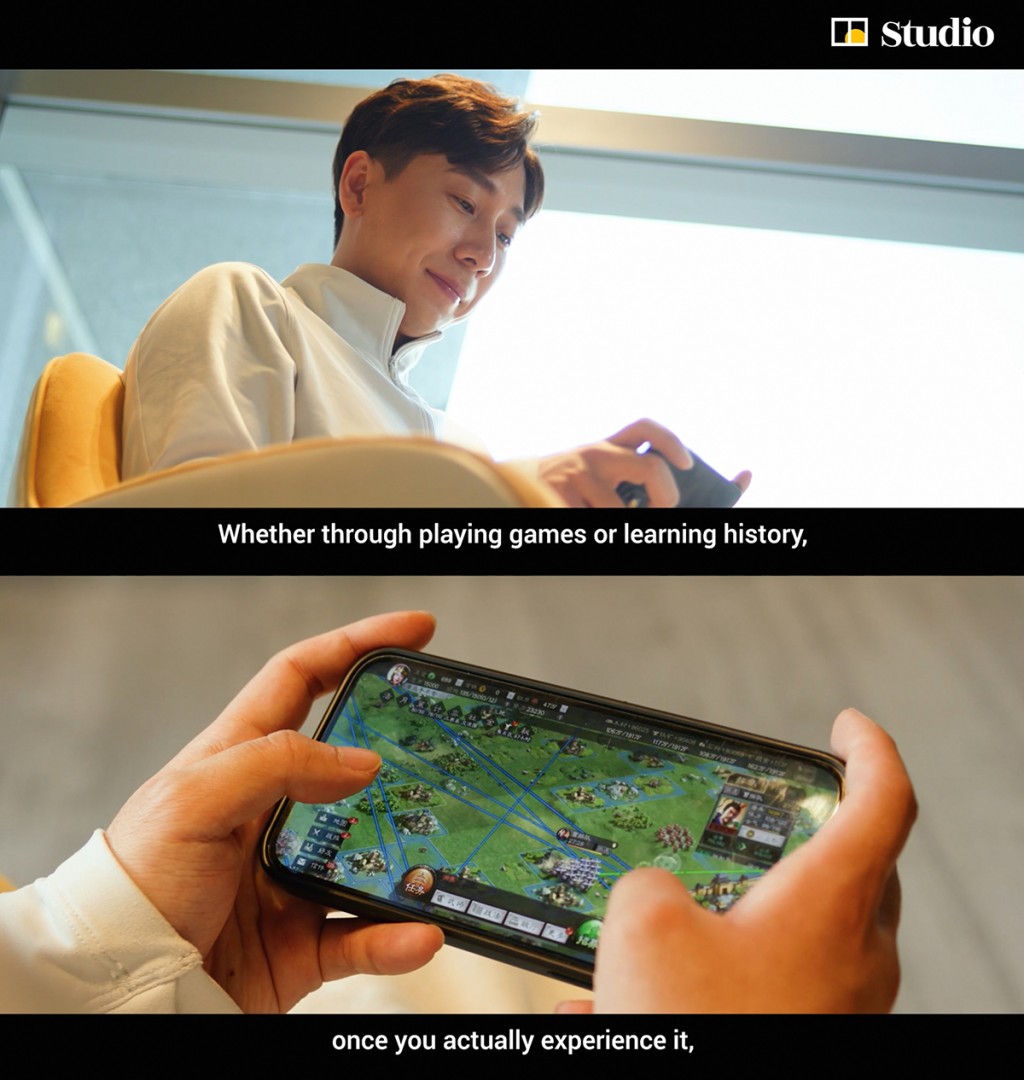
Edmond Woo said his understanding of ambition and self-belief, linked to the character Sun Ce, has influenced how he plans his next career moves. He said the game’s storytelling and his reading of the character’s traits can serve as guidance, including in situations that require confidence and preparation for contingency plans. Woo’s comments emphasize a mindset of balancing forward momentum with practical thinking, an approach he said he applies to his everyday professional decision-making.Han Tianyu, a short-track speed skating athlete, discussed how he admires Zhao Yun for courage and composure under pressure. He said these traits are essential for athletes competing against strong international opponents. He connected the character’s temperament to the need to make defensive moves and preserve opportunities during the crucial late stages of competition. Han also mentioned that Three Kingdoms Tactics has helped him refine his approach to coordination, planning, and timing, which are essential for performing under pressure.”
Cristiano Mazzucco said he focuses on Liu Bei, describing benevolence and righteousness as the most important principles for the character. As a language and culture teacher, he argued that games offer a “three-dimensional” way to access historical events because players can experience the narrative from the character perspective and reflect on the moral and decision-making logic. Mazzucco also said many references from Chinese history and literature continue to appear in everyday communication in China today, reinforcing the idea that Three Kingdoms cultural knowledge remains relevant in contemporary life.
More Than a Game: The New Power of Cultural Storytelling
Lingxi Games’ approach offers an exemplary model for China’s cultural outreach.
The reason why the Three Kingdoms culture resonates globally is that its core themes, including loyalty, wisdom, courage, and strategic thinking, are universal human values. As sinologist Cristiano Mazzucco noted, although the stories were set more than two thousand years ago, the interpersonal dynamics and leadership principles still feel highly relevant today.
Through the highly interactive medium of gaming, Chinese companies are transforming the “Three Kingdoms” and other traditional cultural conceptsfrom mere historical and literary legacies into shared global cultural experiences. This not only showcases China’s technical prowess in game development but also conveys the deeper cultural essence behind Chinese stories.
From the global success of Black Myth: Wukong to the cultural impact of Three Kingdoms Tactics, it is clear that as more Chinese enterprises like Lingxi Games expand globally, the Three Kingdoms culture will no longer be confined to ancient texts—it will become a vibrant, living world cherished by players across the globe.
Media Contact
Company Name: Lingxi Games
Contact Person: Sharon
Email: Send Email
City: Hong Kong
Country: China
Website: https://www.lingxigames.com/
